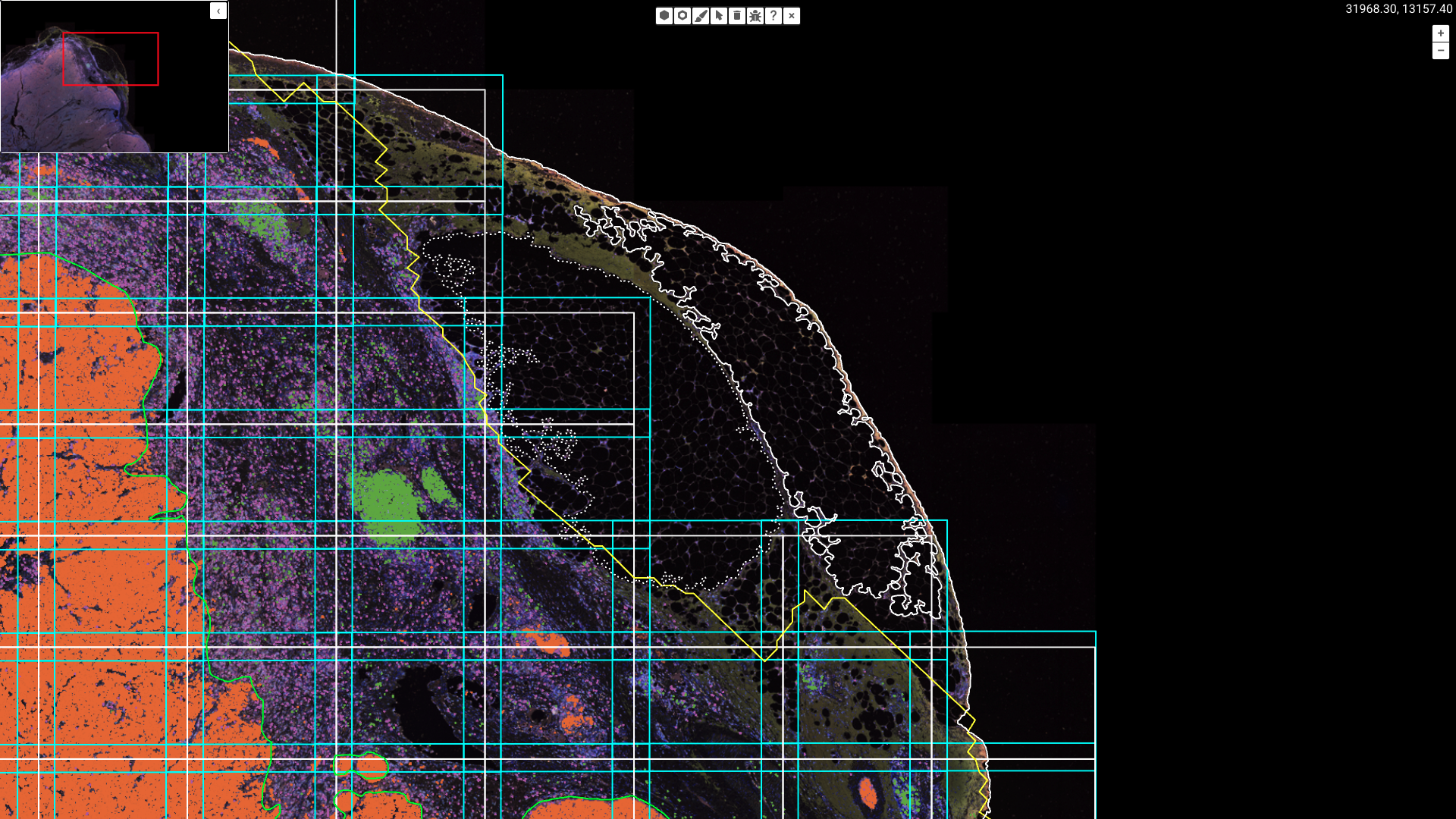



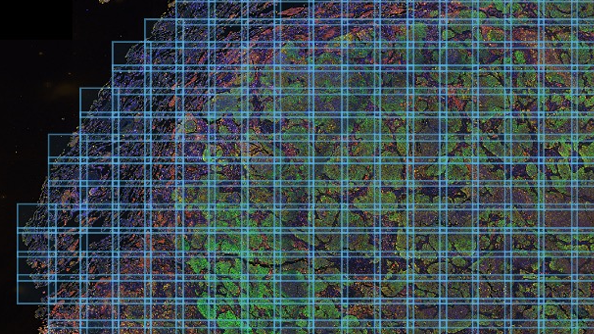
CellView
CellView’s ability to run analyses of the detailed spatial features over hundreds of millions of cells in the tumor microenvironment enables the discovery of rare phenomena at a high statistical significance.
Astronomy Meets Pathology
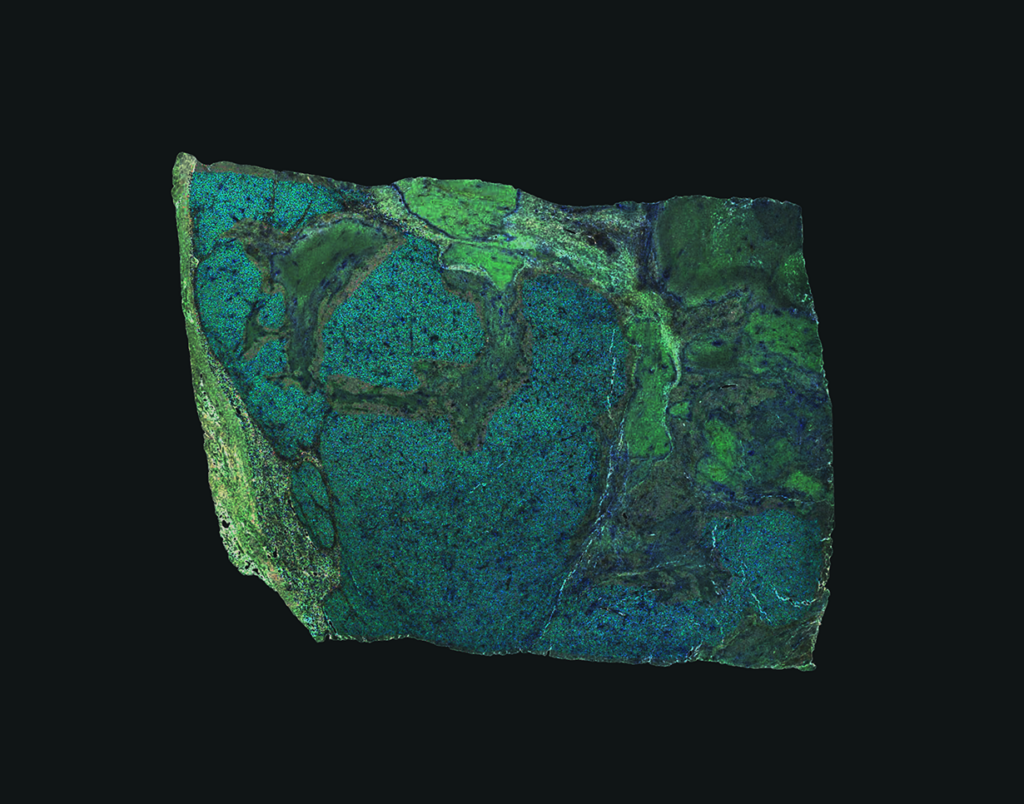
AstroPath consists of high-fidelity, whole-slide spatial maps of the tumor microenvironment (TME), profiling 100,000–2 million cells per slide to offer an unprecedented single-cell view of tumors
AstroPath Sponsers








Mapping the Universe Within:
Precision Imaging for Cancer Breakthroughs
Researchers at the Mark Foundation Center for Advanced Genomics and Imaging from the Institute for Data-Intensive Engineering and Science (IDIES) at Johns Hopkins University, and the Bloomberg-Kimmel Institute for Cancer Immunotherapy have developed a robust platform to guide specific immunotherapeutic regimens by predicting which patients are most likely respond to treatment, as well as to identify the next-generation of therapeutic targets.
Revolutionary and interdisciplinary, the CellView platform at the core of the AstroPath project makes use of sky-mapping algorithms originally developed for astronomy.
Advanced immunofluorescence imaging of cancer biopsies, combined with the strategy developed by AstroPath allows researchers to navigate the tumor landscape and develop smarter, more personalized treatment.
AstroPath
in SciServer

AstroPath adapts tools from the Sloan Digital Sky Survey (SDSS) to generate high-fidelity, whole-slide spatial maps of the tumor microenvironment (TME). By leveraging multispectral imaging and treating cells like stars or galaxies, AstroPath profiles 100,000–2 million cells per slide, offering an unprecedented single-cell view of tumors and enabling smarter, more personalized treatments.
To democratize access to these massive datasets, AstroPath partners with SciServer: The Science Platform to provide server-side analysis through virtual machines preloaded with Jupyter notebooks and AstroPath data. For step-by-step guidance on how to access the data, see our Getting Started with AstroPath in SciServer documentation.